Bassel G. Diebo, MD, FAAOSSpine and scoliosis surgeon
Research

How the spine, pelvis and hips stand together.

My research asks how alignment is measured, how the body compensates when it is lost, and how surgery should restore it. I have 500 publications in the National Library of Medicine (PubMed); here are five to start with.

From the research

What can the pelvis tell us about the shape of the spine?

The shape of each person's pelvis, measured as pelvic incidence, sets how much curve the lower spine needs. When the spine loses that shape, the pelvis and legs work to compensate, and how they do it changes with age and with where the deformity sits.

Diebo BG et al. Recruitment of compensatory mechanisms in sagittal spinal malalignment is age and regional deformity dependent. Spine, 2015.

Read the paper →
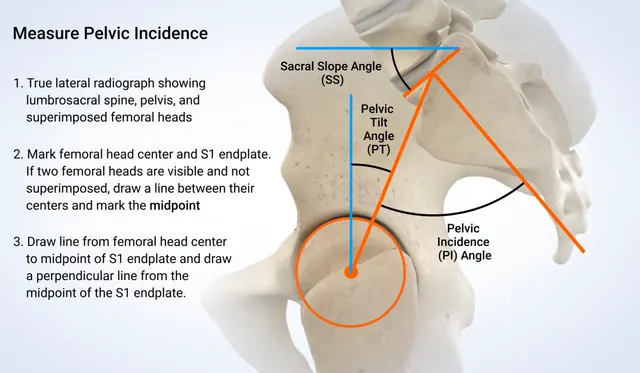
Pelvic incidence measured from the femoral head and the S1 endplate
Pelvic incidence: the angle between the S1 endplate's perpendicular and the line to the femoral head.

Spinal alignmentHow the body holds itself upright, and what it recruits when it cannot.

Adult deformityThe condition, and how function is measured.

The Lancet · 2019

Adult spinal deformity

A seminar on the diagnosis, evaluation and treatment of adult spinal deformity.

Hip and spineTwo joints that move, fail and compensate together.

Full bibliography

I have 500 publications in the National Library of Medicine (PubMed). The complete list is also in my curriculum vitae.